“Pain is information — let's learn to decode it together.” — Prof. David Luján
Learn now the revolutionary system for mechanical pain that will take you to the next level
Learn the original protocol from the founder of the method, with 20 years of clinical experience: Prof. David Luján.
- No prior acupuncture experience required
- Lifetime access to every video lecture
- Taught in plain, practical language — not just theory
“After 20 years of cadaver dissections and clinical observation, Prof. Luján developed a system that treats the extracellular matrix as a sensory organ. Learn to diagnose by tension lines, not just by pain points.”
If you've ever felt stuck not knowing how to help a client with stubborn, long-term pain — this intensive is for you.
Check free spotsThis course is designed for
Tailored outcomes for practitioners, graduates, and career changers.
Deepen your skills
Hands-on mentoring and advanced methods for acupuncturists already in practice.
Expand your practice
New techniques and personalized guidance to add to what you already learned at ECAN.
Start fresh
Foundational knowledge and real-world application, no prior experience required.
Why most pain treatments don't hold
The relief doesn't last
- Massage and stretching relax the muscle, not the fascia around it
- Pain returns within days because the underlying tension pattern is untouched
Surgery is offered too early
- Many mechanical pain cases are fascia-related, not structural damage
- A large share of these cases can improve without an operation
Generic acupuncture skips the fascia
- Point-based protocols don't account for how fascia compensates across the body
- Without treating the compensation chain, the same point flares up again
Around 75% of surgery can be avoided
A complete system: how fascia works → where problems arise → how to diagnose → ready-to-use treatment protocols for legs, pelvis, lower back, upper back, neck, and arms.
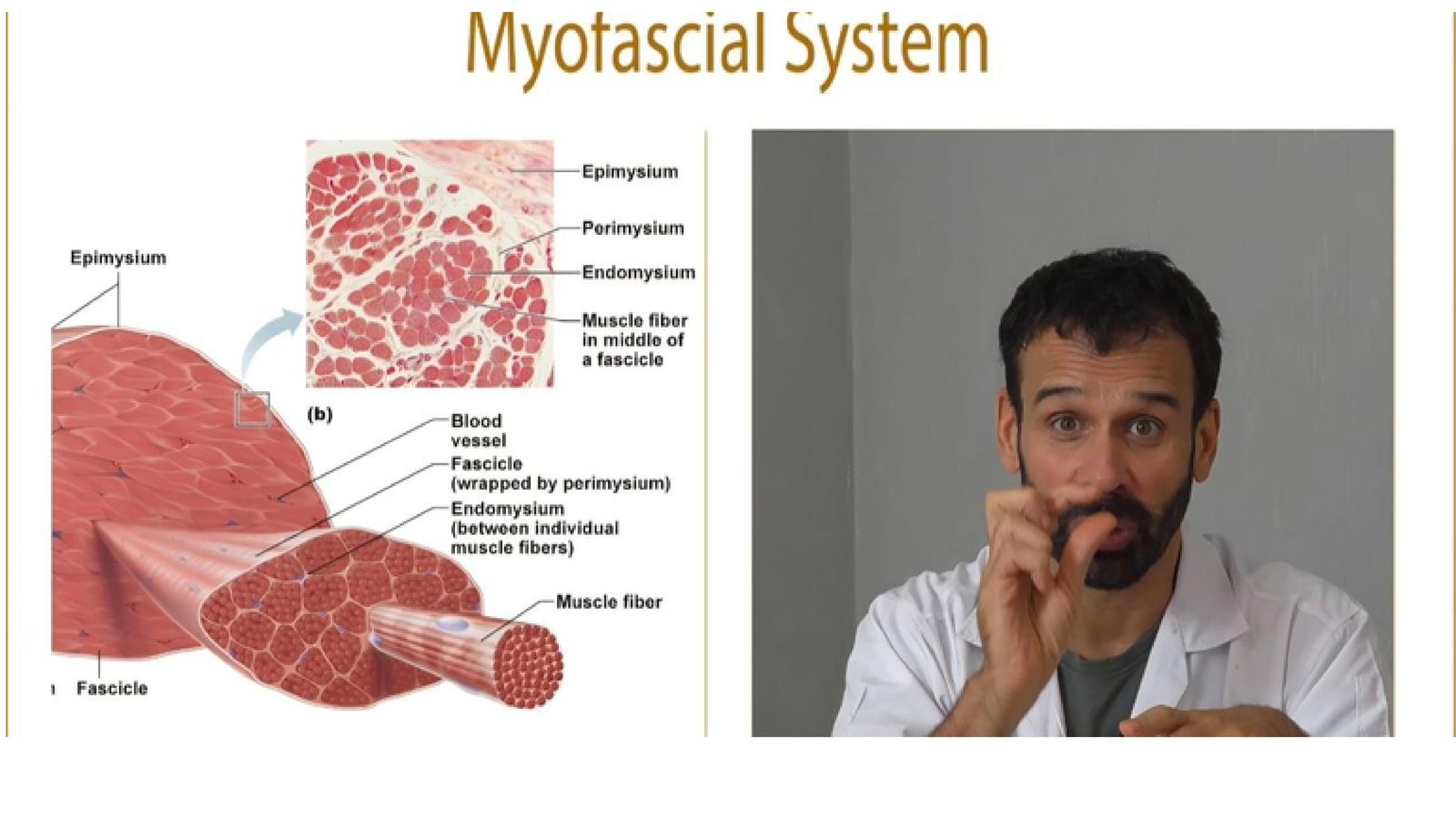
You treat the muscle…
…but ignore the fascial sheath. The extracellular matrix remains fibrotic.
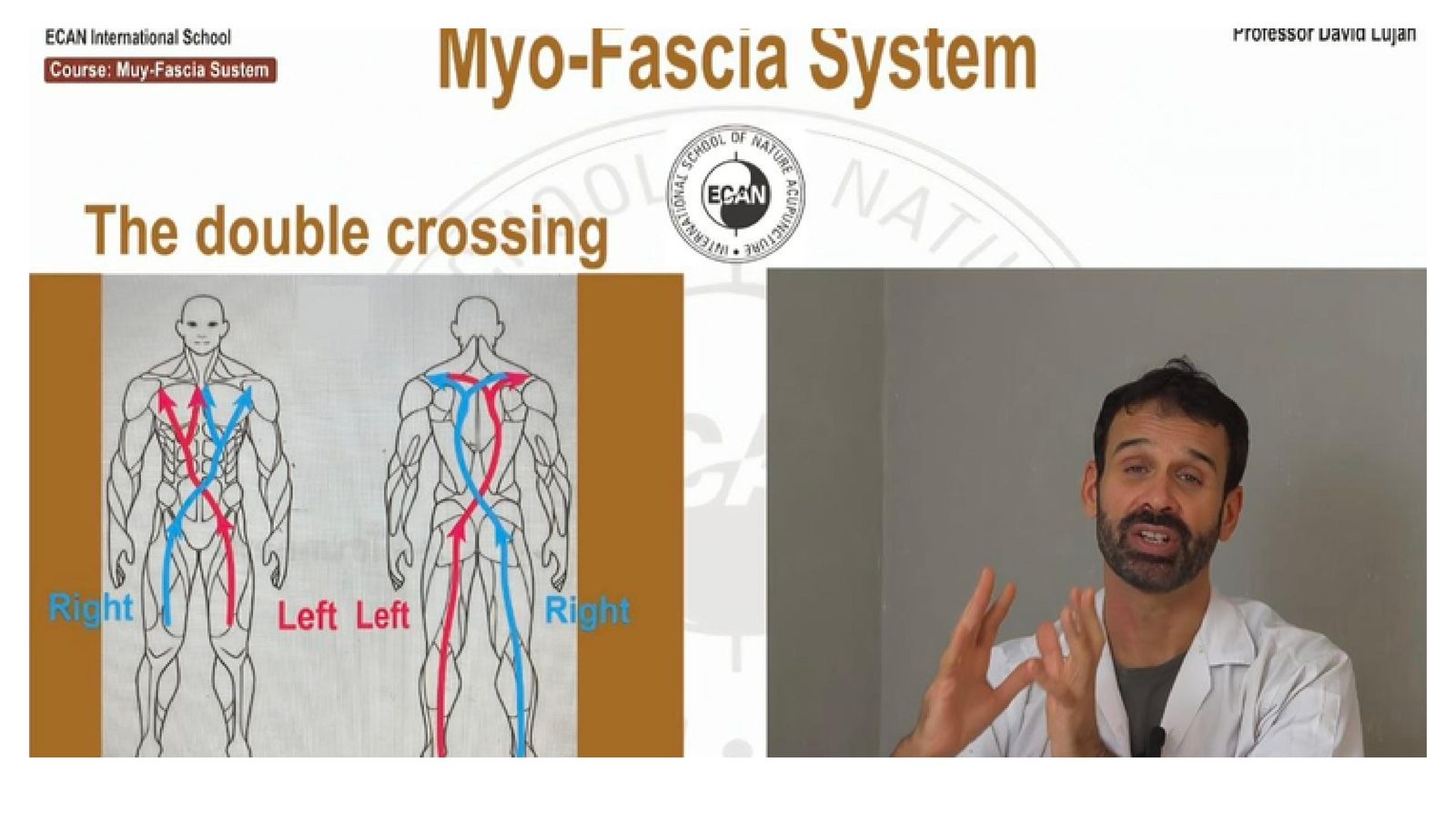
You understand anatomy…
…but not biomechanical chains. You miss the kinetic link.
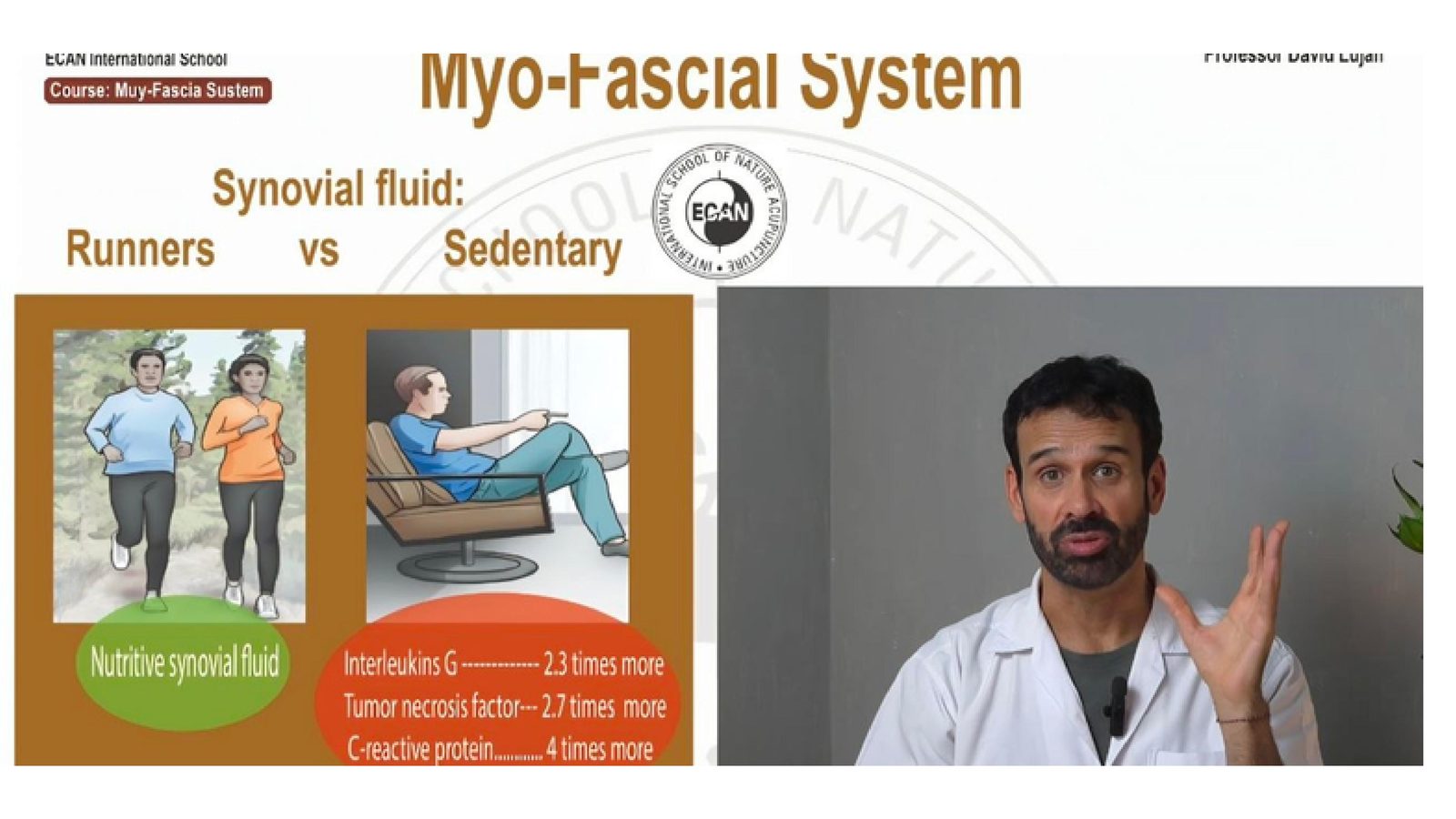
Patients get temporary relief…
…but postural habits and fascial retractions recreate the pain.
Be part of this beautiful family of the Myo-Fascia System.
What you will gain after 10 lessons
- A clear understanding of fascia's role in chronic pain
- Ready-to-use treatment protocols for legs, pelvis, lower back, neck, and arms
- The ability to diagnose fascial dysfunctions — no more guessing
- Confidence in treating disc herniation through a fascial approach
- Concrete techniques you can apply the very next day
Why this approach works
Not theory for the sake of theory — every lesson ends with a protocol.
Fascia + acupuncture = long-term results.
A systemic approach — stop treating isolated symptoms and start seeing the whole kinetic chain.
“5 Mistakes in Chronic Pain Treatment That 90% of Specialists Make”
Prof. David Luján's free checklist: the 5 most common mistakes in treating chronic pain, and what to do instead from a fascial approach. Download it now — no sign-up needed.
Program overview
A complete system: how fascia works → where problems arise → how to diagnose → ready-to-use treatment protocols for legs, pelvis, lower back, upper back, neck, and arms.
Module 1 — Foundation
Lesson 1Introduction to the fascial approach
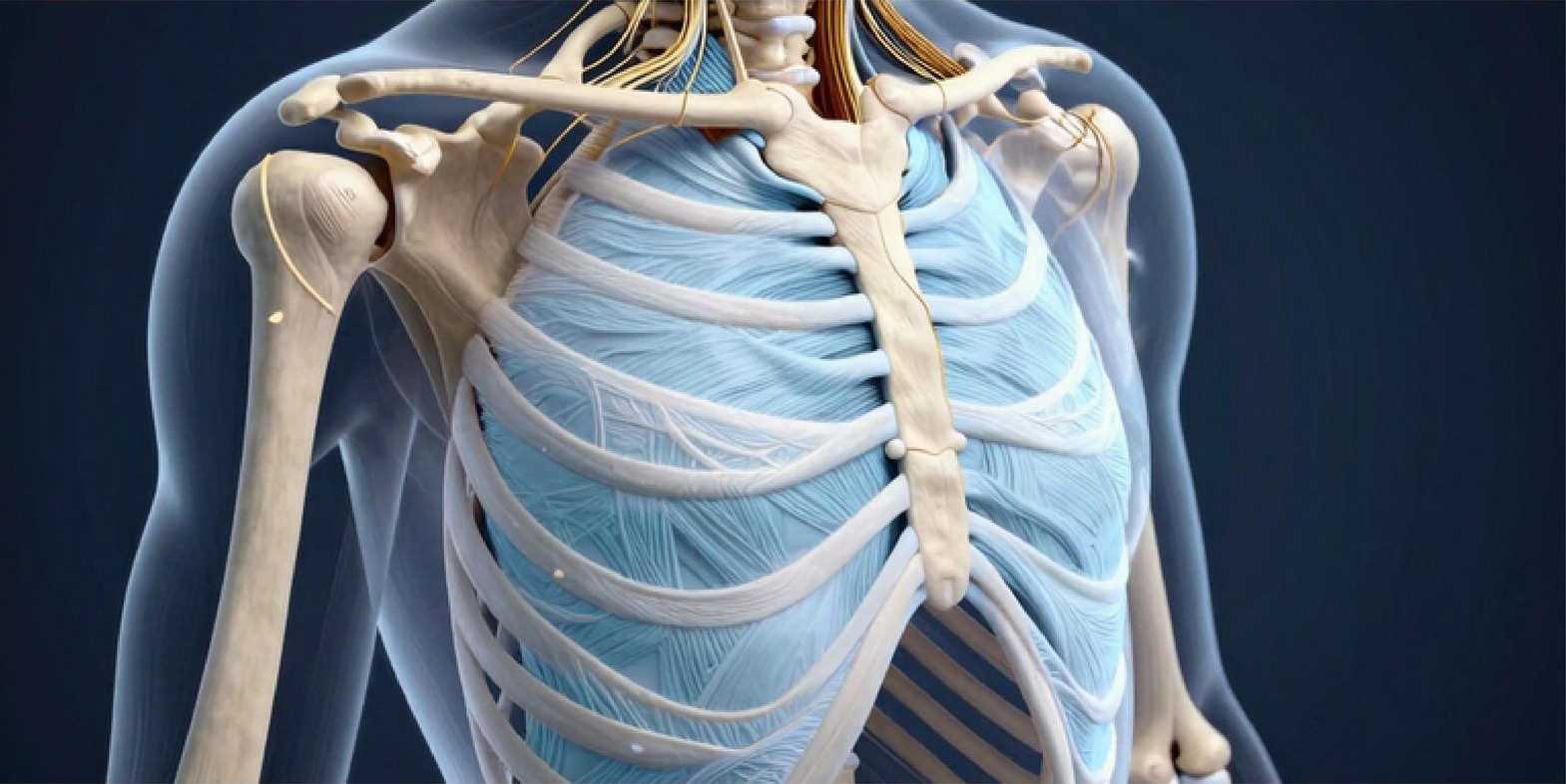
An introduction to the myofascial system and the fascial approach to pain: the continuous web of connective tissue around every muscle, and why most treatments never actually reach it.
Lesson 2Deep dive: what fascia is, how it works, where pain originates
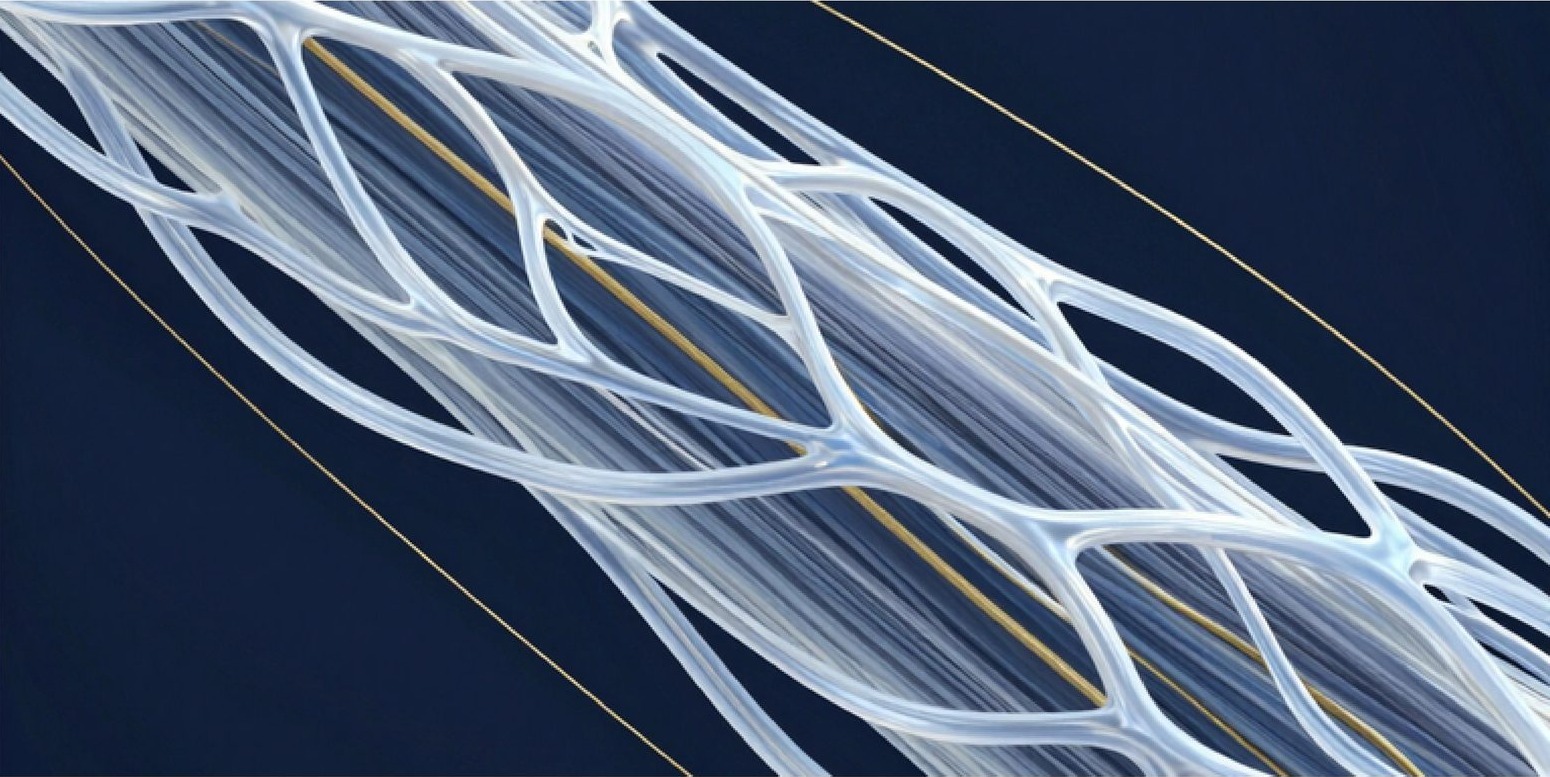
Epimysium, perimysium and endomysium: the three layers of the myofascial system, how they behave under tension, and where pain really originates.
Module 2 — Lower Legs
Lesson 3Fascial anatomy, problems, diagnosis, treatment protocols
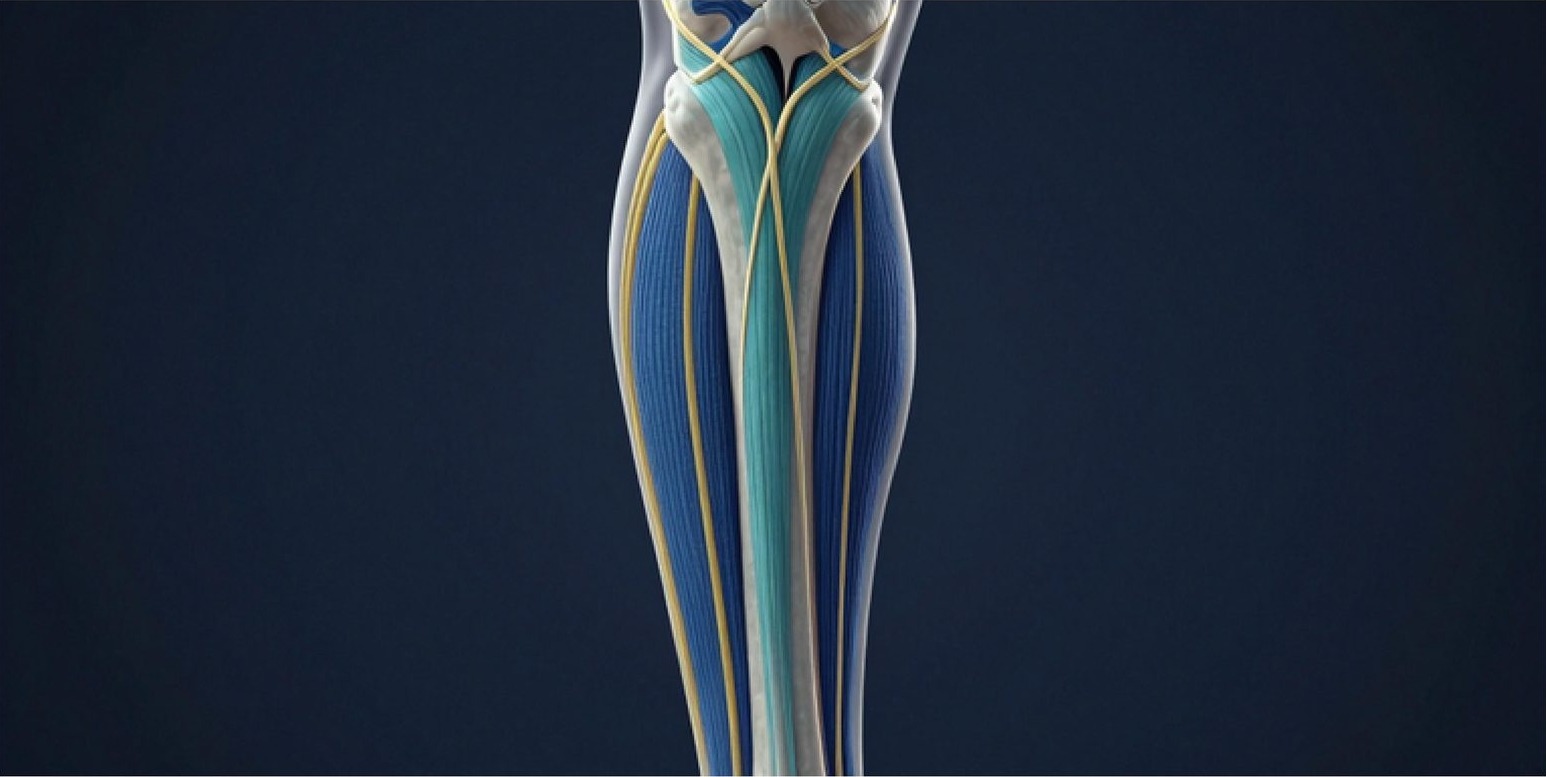
Fascial anatomy of the lower leg, common problems, how to diagnose them, and the corresponding treatment protocols.
Lesson 4Practical reinforcement: working with the lower leg
Hands-on practice applying the protocols from Lesson 3 to the calf and lower leg.
Module 3 — Upper Legs
Lesson 5Fascial anatomy, problems, diagnosis, treatment protocols
Fascial anatomy of the thigh, common problems, how to diagnose them, and the corresponding treatment protocols.
Lesson 6Practical reinforcement: working with the upper legs
Hands-on practice applying the protocols from Lesson 5 to the thigh and upper leg.

Module 4 — Bones and Fascia
Lesson 7How problems and pain arise, diagnosis, treatment protocols
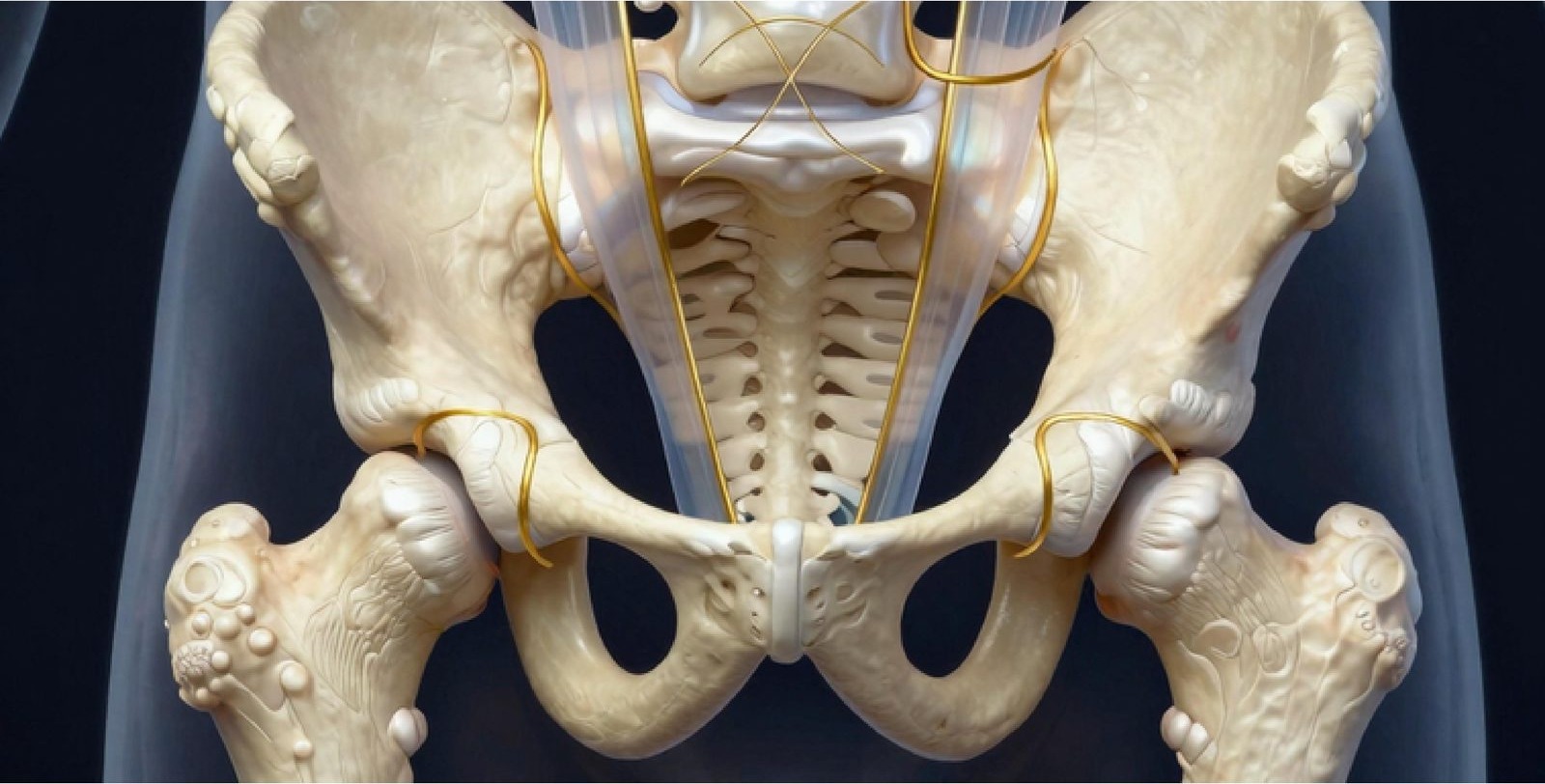
How the pelvis and sacrum interact with the fascial system, how problems and pain arise there, and how to diagnose and treat them.
Module 5 — The Spine
Lesson 8Lower back + disc herniation
Treating lower-back pain and disc herniation through the fascial approach.
Lesson 9Upper back: forces, connections, diagnosis and treatments
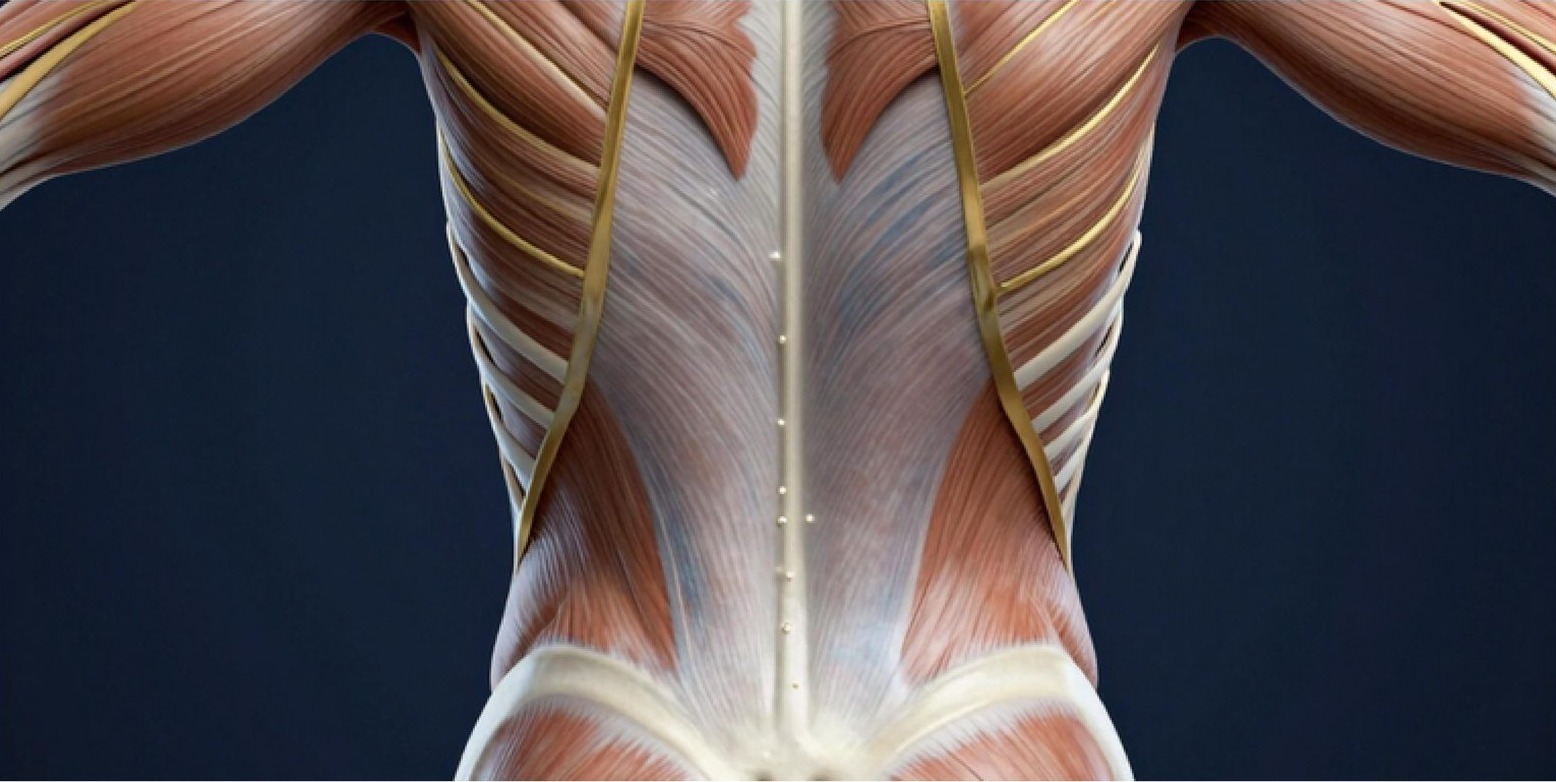
The forces and fascial connections across the upper back, and how to diagnose and treat them.
Module 6 — Neck and Arms
Lesson 10Neck and arms: fascial connections, diagnosis, protocols
Fascial connections through the neck and arms, and how to diagnose and treat them — completing the full-body protocol.
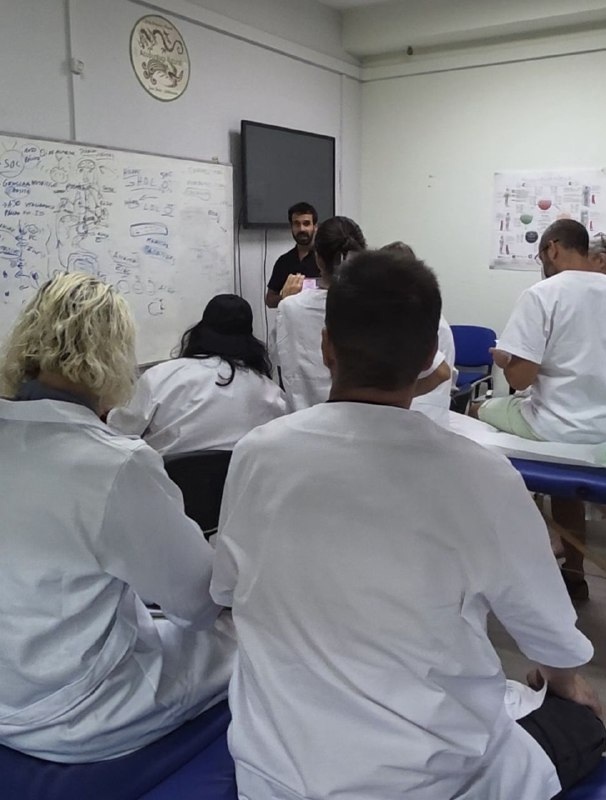
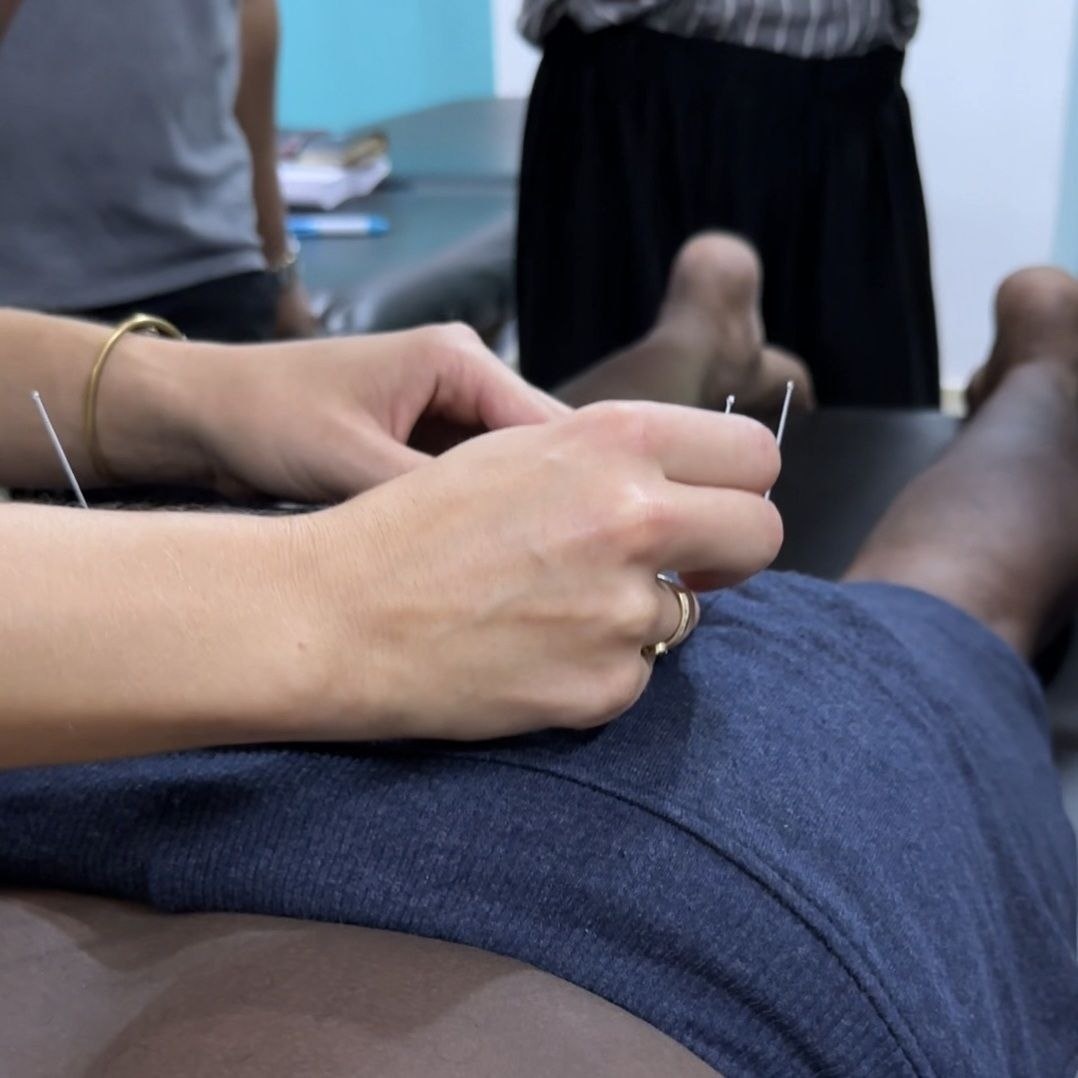
Prefer to learn in person? The full 4-week Intensive Course runs in Madrid, Goa and Bali.
Format
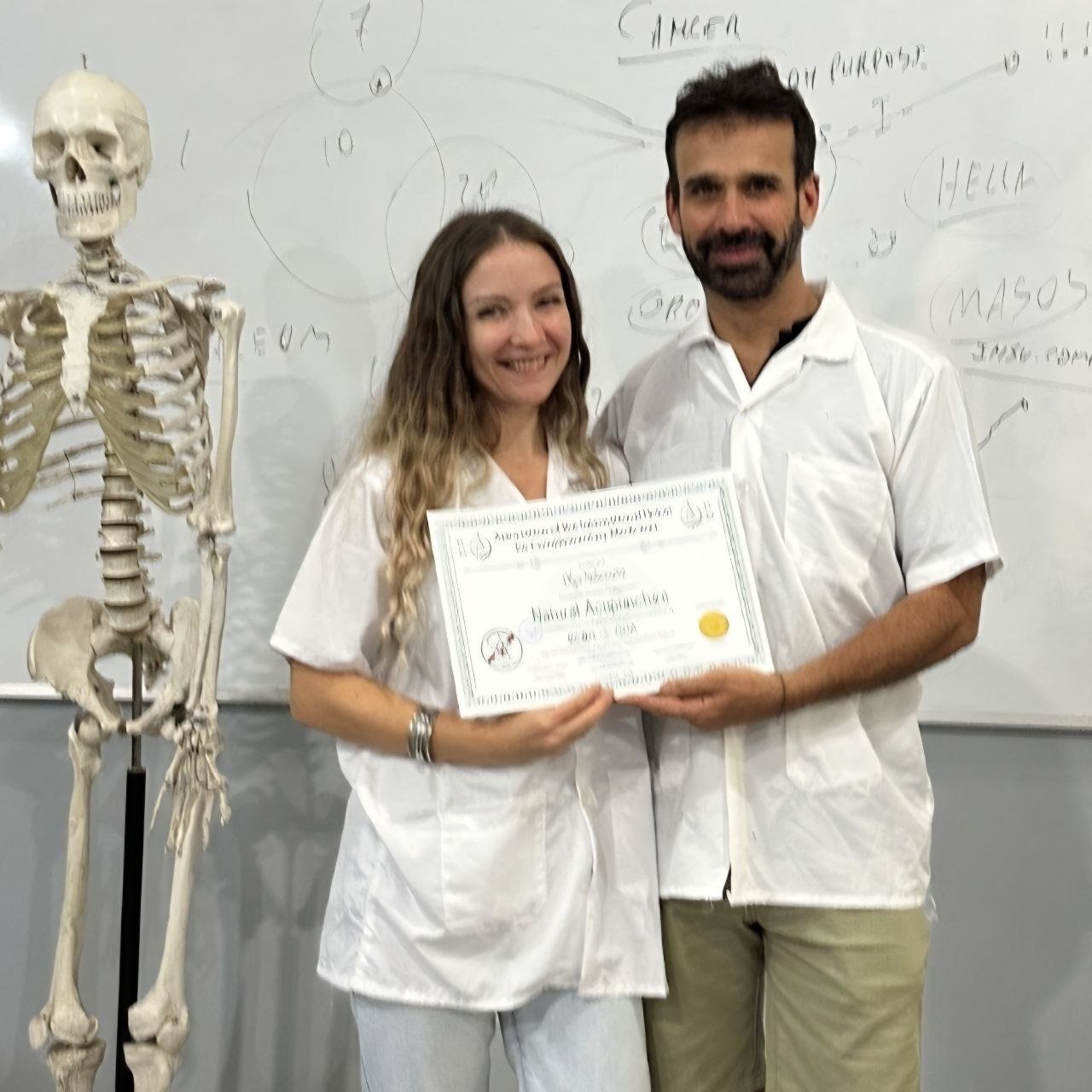
Prof. David Luján
From students of the Intensive Course
“A wonderful place to study — David Lujan is a fantastic teacher: very generous in sharing his extensive knowledge and experience, he brings incredible energy and humour to his courses and is extremely supportive and empowering.”Jacqueline Connor · UK
“Dr Lujan treats hundreds of patients and his method is highly beneficial. I personally witnessed recoveries, at times of serious health conditions, on a weekly basis. Dr Lujan's method and protocols work, and I feel confident in the results every time I treat my own patients now.”Denise · Italy
From graduates of the in-person Intensive Course — full stories on the student's voice.
Enrollment
What's included
- 6 modules, 10 lessons — lifetime access, watch on any device
- The full needle-technique breakdown from Lecture 1
- The free Pain-Relief Checklist
- Direct WhatsApp access to the ECAN team for course questions
- A written exam
- Course completion certificate from the International School of ECAN
Upon completion of all lectures and successful passing of the written exam, you will receive a course completion certificate from the International School of ECAN.
Enrollment is confirmed by WhatsApp or email — you'll receive your access details the same day.
Frequently asked questions
Do I need any prior acupuncture experience?
No. The course starts from the anatomy of the fascia and builds up to full needle technique, so it works both for complete beginners and for practitioners adding this method to existing skills.
How long do I have access to the course?
Access is for life. You can rewatch any module as many times as you like, whenever you like.
What language are the videos in?
All video lectures are in English. If you'd rather study in Spanish, ask us about the Spanish-language version when you enroll.
Do I get a certificate?
Yes. Upon completion of all lectures and successful passing of the written exam, you will receive a course completion certificate from the International School of ECAN.
Can this replace the in-person Intensive Course?
The online course teaches the Symptomatic (myofascial) Treatment in depth, but it doesn't include supervised practice on real patients. Many students use it as a first step before joining the full 4-week Intensive Course in Madrid, Goa or Bali.
What if I have a question while studying?
You can reach the ECAN team directly on WhatsApp — see the button below.
Start learning the Lujan Protocol today
Six modules, lifetime access, and a technique you can start applying from the very first lecture.